
Responsible Trekking in Nepal: How to Travel Without Leaving a Trace
Published on May 18, 2026
"Eco-tourism" has become something of a buzzword, printed on brochures without much behind it. At Time to Nepal, we believe responsible trekking isn't a marketing label — it's a set of concrete choices, made every day, on every trip. Here's what that actually looks like on the ground.
It Starts With Who You Walk With
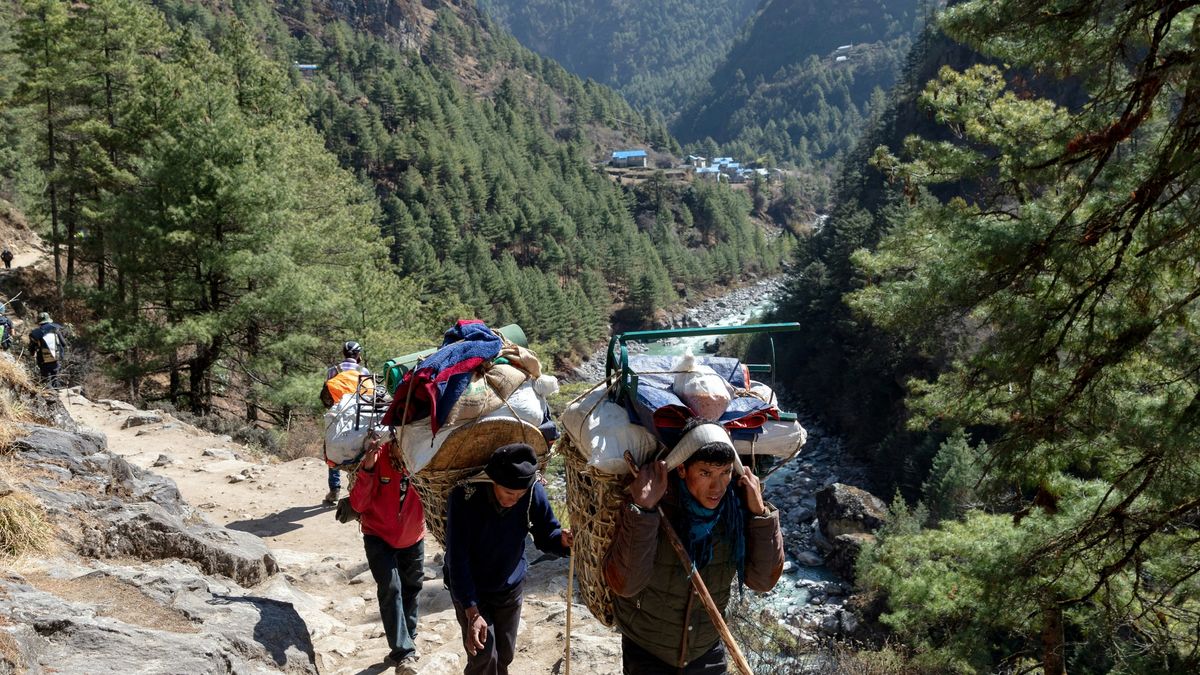
Every guide, porter, and cook on our treks is local. This isn't just a nice sentiment — it means income stays in the communities you're passing through, and it means your guide has genuine, lived knowledge of the terrain, culture, and wildlife you're encountering, rather than reciting a script. Ask any agency you're considering: are your guides local, and are they paid fairly?
Leave No Trace, Literally
On every trek we lead, all waste — plastic wrappers, batteries, anything non-biodegradable — is carried out of protected areas, not left behind or burned locally. We avoid single-use plastic wherever possible, encouraging refillable bottles and filtration over buying bottled water at every stop.
No Elephant Rides, No Animal Exploitation
If a trip itinerary includes elephant rides or similar animal entertainment, that's a red flag, not a bonus feature. We never include these in our itineraries, and we support organizations working to end this practice, including our partnership with Stand Up 4 Elephants.
Where Your Money Actually Goes
Perhaps the most concrete part of our commitment: 5% of every booking is donated directly to one of our partner associations — you choose which one, whether it's Snow Leopard Conservancy for wildlife protection, Kids Education Nepal for local schooling, or Stray Dogs Protection. This isn't a vague "portion of proceeds" — it's a transparent, trackable contribution tied to your specific trip.
Small Groups, Real Impact
Large tour groups put pressure on fragile mountain ecosystems and local infrastructure. We keep our groups small by design — better for the environment, and it means a more genuine, less crowded experience for you.
What You Can Do, Too
Choosing a responsible operator is the biggest lever you have as a traveler, but small habits matter too: bring a reusable water bottle and purification tablets, respect wildlife by observing without disturbing (no flash photography, no feeding animals), and take the time to learn a few words of Nepali — it goes further than you'd expect.
Our Invitation
Responsible travel isn't about doing without — it's about discovering Nepal the way it deserves to be discovered: on foot, at a human pace, with people who call these mountains home. If that's the kind of trek you're looking for, explore our treks or read more about our partner associations.
Related Articles


Join the Tribe
Get weekly trekking tips and exclusive cultural stories delivered to your inbox.
No spam. Unsubscribe anytime.